
Joint Aspiration and
Injection Treatment
in Singapore
Joint aspiration and injection are medical procedures for diagnosing and treating joint-related conditions. These procedures are commonly performed to relieve pain, reduce inflammation, and obtain joint fluid for analysis.

What is Joint Aspiration?
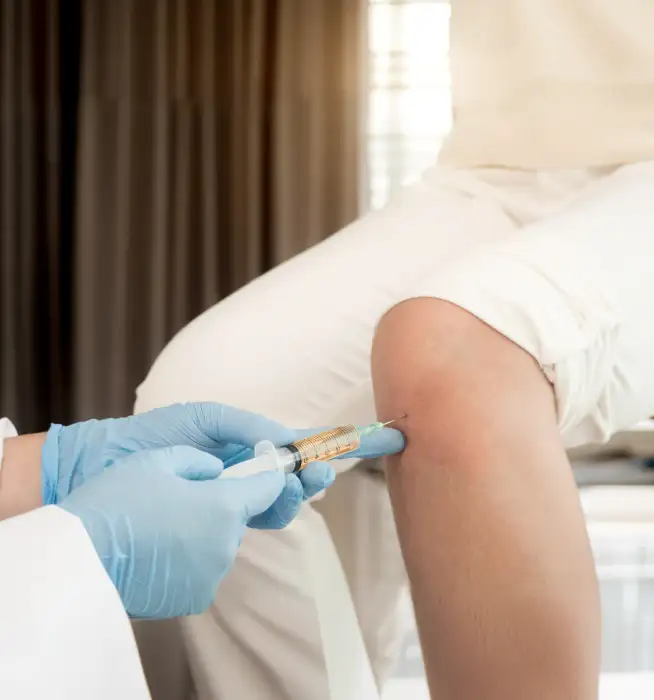
Joint aspiration, or arthrocentesis, involves using a needle to withdraw fluid from a joint. This procedure is often performed to diagnose the cause of joint swelling or pain by analysing the synovial fluid (the fluid found within joints).
Purposes of Joint Aspiration
- Diagnostic – Analyses the synovial fluid to help diagnose conditions such as infections, gout, and other inflammatory arthritis.
- Therapeutic – Relieves joint swelling and pain by removing excess fluid.
- Medication Administration – Sometimes used to ensure accurate medication placement within the joint.
Common Conditions Diagnosed
- Gout – Uric acid crystals in the fluid indicate gout.
- Infections – The presence of bacteria or elevated white blood cells suggests infection.
- Inflammatory Arthritis – Conditions like rheumatoid arthritis or lupus can be identified through synovial fluid analysis.
What is Joint Injection?
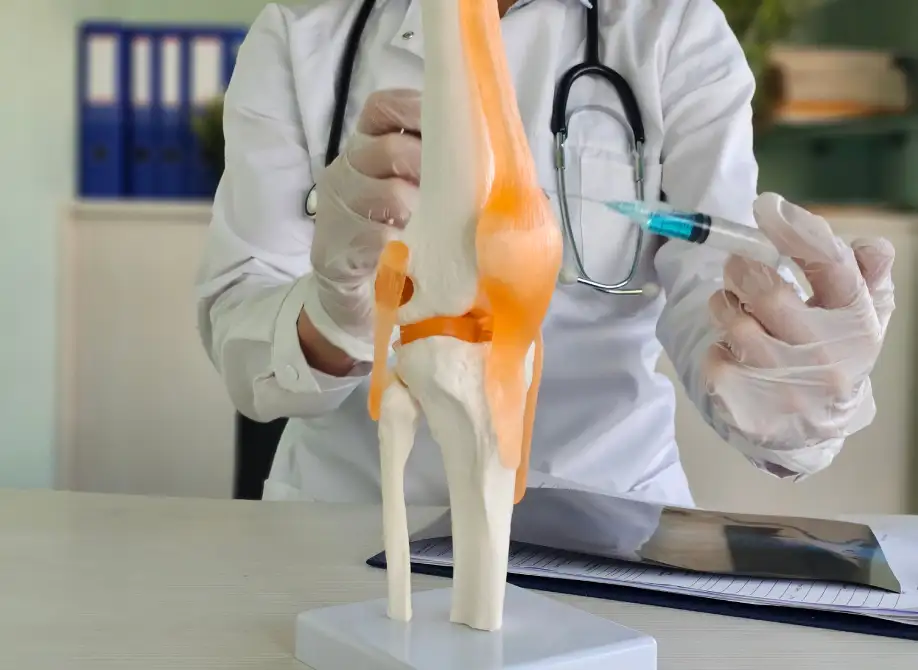
Joint injection involves injecting medication directly into the joint space. This procedure is typically used to reduce inflammation and pain in conditions like arthritis.
Purposes of Joint Injection
- Pain Relief – Provides relief from chronic joint pain.
- Reduce Inflammation – Decreases inflammation in conditions like osteoarthritis and rheumatoid arthritis.
- Medication Delivery – Delivers corticosteroids, hyaluronic acid, or other medications directly to the affected area.
Common Medications Used
- Corticosteroids – Powerful anti-inflammatory drugs that provide quick pain relief.
- Hyaluronic Acid – Helps lubricate the joint, often used in osteoarthritis.
- Local Anesthetics – Provide immediate pain relief by numbing the joint.

The Procedures
Both joint aspiration and injection are typically performed in a doctor’s office or outpatient clinic.
Here’s what you can expect during these procedures:

Preparation
- Medical History – The doctor will review your medical history and current medications.
- Sterilisation – The area around the joint will be cleaned and sterilised to prevent infection.
- Informed Consent – You’ll be asked to sign a consent form acknowledging the risks and benefits of the procedure.
During the Procedure
- Positioning – You will be positioned comfortably, ensuring the joint is easily accessible.
- Local Anesthesia – A local anaesthetic may numb the area.
- Needle Insertion – A sterile needle is inserted into the joint space.
- Fluid Withdrawal – Synovial fluid is drawn into a syringe for analysis.
- Sample Collection – The fluid sample is analysed in a laboratory.
- Positioning – The joint is positioned for easy access.
- Local Anesthesia – The area may be numbed with a local anaesthetic.
- Needle Insertion – A sterile needle is inserted into the joint space.
- Medication Injection – Medication is injected directly into the joint.
- Bandaging – A small bandage is applied to the injection site.
Duration
The entire joint aspiration and injection process typically takes about 15 to 30 minutes.

Post-Procedure Care
After joint aspiration or injection, follow these guidelines to ensure proper recovery:
Immediate Aftercare
- Rest the Joint – Avoid strenuous activity for at least 24 hours.
- Ice Application – Apply ice to the area to reduce swelling and discomfort.
- Pain Relief – Over-the-counter pain relievers, such as acetaminophen, can help manage discomfort.
Monitoring
- Watch for Infection – Look for signs of infection, such as increased redness, swelling, or warmth at the injection site.
- Report Unusual Symptoms – Contact your doctor if you experience severe pain, fever, or any other concerning symptoms.

Risks and Complications
While joint aspiration and injection are generally safe, they do carry some risks:
Common Risks
- Pain or Discomfort – Temporary pain at the injection site.
- Bleeding – Minor bleeding or bruising around the site.
- Infection – The risk of infection, though rare, requires prompt medical attention.
Rare Complications
- Allergic Reactions – To the anaesthetic or injected medication.
- Nerve Damage – Potential, though very rare, damage to nearby nerves.
- Joint Damage – Repeated injections may lead to joint damage over time.
Benefits of Joint Aspiration and Injection
The benefits of these procedures often outweigh the risks, providing significant relief and valuable diagnostic information:
For Joint Aspiration
- Accurate Diagnosis – Helps pinpoint the cause of joint swelling and pain.
- Immediate Relief – Reduction in joint swelling and discomfort by removing excess fluid.
For Joint Injection
- Effective Pain Relief – Rapid and significant reduction in joint pain.
- Reduced Inflammation – Decreased inflammation in the joint, improving mobility and function.
- Targeted Treatment – Direct delivery of medication to the affected joint.
When to Consider These Procedures
Your doctor may recommend joint aspiration or injection if you experience:
Persistent Joint Pain
Despite other treatments.
Inflammatory Arthritis
Needing frequent management of flare-ups.
Unexplained Joint Swelling
Requiring diagnostic clarification.
Acute Gout Attacks
For both diagnosis and immediate relief.
Joint aspiration and injection are valuable tools in diagnosing and managing various joint conditions. These procedures offer significant benefits, including pain relief, reduced inflammation, and accurate diagnosis of joint issues. If you are experiencing persistent joint pain or swelling, discuss with your healthcare provider whether these procedures might suit you. Understanding the process, benefits, and risks can help you make an informed decision and achieve better joint health.
Assess and Treat Joint Swelling
with Dr Anindita Santosa
A painful, swollen joint may result from infection, crystal deposits, inflammatory arthritis or another underlying problem. Joint aspiration removes fluid for analysis and may reduce pressure, while a joint injection delivers medication directly to the affected area when clinically appropriate. Selecting the right procedure after careful assessment supports accurate diagnosis and targeted symptom relief.
At Aaria Rheumatology, joint aspiration and injection are recommended according to your symptoms, underlying condition, medications and individual risks. Rheumatologist Dr Anindita Santosa evaluates the affected joint, explains the procedure and provides guidance on aftercare and ongoing management.
If persistent or recurring joint pain and swelling are limiting your movement or have not improved with other treatments, contact us today to book an appointment.
