
Behçet’s Disease Treatment
in Singapore
Behçet’s disease is a rare, chronic, and complex autoimmune disorder that causes inflammation of the blood vessels throughout the body. This condition can lead to numerous symptoms that affect various parts of the body, including the mouth, eyes, skin, and joints. Behçet’s disease is also known as Behçet’s syndrome. Understanding its symptoms, causes, diagnosis, and treatment options is essential for managing this challenging condition effectively.


Symptoms of Behçet’s Disease
The symptoms of Behçet’s disease can vary widely among individuals and tend to come and go with periods of remission and flare-ups. The condition can affect many parts of the body, leading to a broad range of symptoms.

Oral and Genital Ulcers
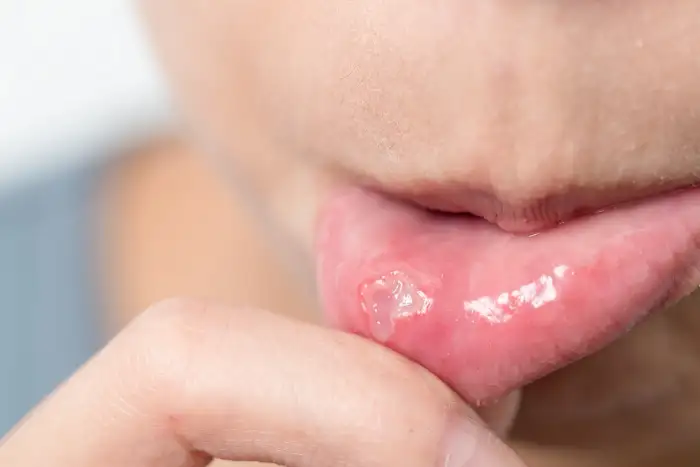
- Oral Ulcers – Painful mouth sores that resemble canker sores are a hallmark of Behçet’s disease. These ulcers usually heal within one to three weeks but tend to recur.
- Genital Ulcers – Painful sores on the genitals, which can lead to scarring.
Eye Inflammation
- Uveitis – Inflammation of the uvea, the middle layer of the eye, which can cause pain, redness, blurred vision, and sensitivity to light. This can lead to vision loss if not treated.
Vascular Inflammation
- Thrombophlebitis – Inflammation of the veins that can lead to blood clots.
- Aneurysms – In rare cases, inflammation can weaken blood vessel walls, leading to aneurysms.
Gastrointestinal Symptoms
- Digestive Tract – Abdominal pain, diarrhoea, and bleeding can occur due to inflammation in the digestive system.
Skin Lesions
- Erythema Nodosum – Painful, red, raised nodules commonly found on the legs.
- Acne-like Lesions – Pustules and acne-like eruptions, particularly on the back and face.
Joint Inflammation
- Arthritis – Joint pain and swelling, typically affecting the knees, ankles, elbows, and wrists.
Neurological Involvement
- Central Nervous System – Involvement can cause headaches, confusion, stroke, and other neurological symptoms.

Causes of Behçet’s Disease
The exact cause of Behçet’s disease is unknown, but it is believed to result from a combination of genetic, environmental, and immune system factors.
Genetic Factors
- Family History – Having a family member with Behçet’s disease increases the risk of developing the condition.
- HLA-B51 Gene – There is a strong association between Behçet’s disease and the HLA-B51 gene, suggesting a genetic predisposition.
Environmental Factors
- Infections – Certain infections may trigger the onset of Behçet’s disease in genetically susceptible individuals. Viral or bacterial infections could play a role.
Immune System Factors
- Autoimmunity – Behçet’s disease is considered an autoimmune disorder where the immune system mistakenly attacks the body’s own tissues, leading to inflammation.

Diagnosis of Behçet’s Disease
Diagnosing Behçet’s disease can be challenging due to the variability of symptoms and their similarity to other conditions. There is no specific test for Behçet’s disease, so diagnosis is based on clinical criteria and the exclusion of other diseases.
Clinical Criteria
- Recurrent Oral Ulcers – At least three episodes within a year.
- Plus Two of the Following:
1. Recurrent genital ulcers
2. Eye inflammation
3. Skin lesions
4. Positive pathergy test (skin reaction to a needle prick)
Additional Tests
- Blood Tests – To rule out other conditions and check for markers of inflammation.
- Imaging Tests – MRI or CT scans to detect any involvement of internal organs or the central nervous system.
- Eye Examination – Regular eye exams to detect uveitis or other ocular issues.

Behçet’s Disease
Treatment Options
Your treatment plan may include:
Medications
- Corticosteroids – To reduce inflammation during flare-ups. These can be taken orally, applied topically, or injected.
- Immunosuppressive Agents – Drugs like azathioprine, methotrexate, or cyclosporine to control the immune system’s activity.
- Colchicine – Often used to treat joint pain and skin lesions.
- Biologic Agents – Such as infliximab or adalimumab, which target specific parts of the immune system to reduce inflammation.
- Topical Treatments – Creams or ointments to manage skin and genital ulcers.
Lifestyle and Home Remedies
- Healthy Diet – Eating a balanced diet to maintain overall health.
- Regular Exercise – To keep joints flexible and reduce stiffness.
- Stress Management – Techniques such as mindfulness, yoga, and relaxation exercises can help manage stress, which may exacerbate symptoms.
Managing Flares
- Identify Triggers – Keeping a diary to track symptoms and identify potential triggers.
- Prompt Treatment – Early intervention with medications at the first sign of a flare can help reduce severity.
Regular Monitoring
- Follow-Up Appointments – Regular visits to healthcare providers to monitor the condition and adjust treatment as necessary.
- Eye Examinations – Regular check-ups with an ophthalmologist to monitor and treat any eye involvement promptly.

Living with Behçet’s Disease
Managing Behçet’s disease involves a combination of medical treatment, lifestyle adjustments, and support.
Self-Care Strategies
- Adherence to Treatment – Taking medications as prescribed and following the treatment plan.
- Skin Care – Using gentle skin care products and avoiding irritants.
Behçet’s disease is a complex and potentially serious condition, effective management strategies can help control symptoms and improve quality of life. Staying informed, adhering to treatment plans, and maintaining a proactive approach to health and well-being are key to living well with Behçet’s disease.
Recognise and Manage Behçet’s Disease with
Dr Anindita Santosa
Behçet’s disease often follows a relapsing course, with symptoms appearing in different parts of the body at different times. Repeated mouth or genital ulcers combined with skin changes, joint symptoms or eye inflammation can provide important diagnostic clues. As diagnosis depends on recognising the overall clinical pattern rather than a single test, early evaluation is important for controlling flares and reducing the risk of complications.
At Aaria Rheumatology, assessment considers how your symptoms have developed, which areas are affected and how often they recur. Rheumatologist Dr Anindita Santosa reviews your clinical history and test results to exclude other possible causes and develop a personalised treatment and monitoring plan.
If painful mouth or genital ulcers keep returning, particularly alongside skin lesions, joint swelling or eye inflammation, contact us today to book an appointment.
