
Pseudogout Treatment in Singapore
Pseudogout, also known as calcium pyrophosphate deposition disease (CPPD), is a type of arthritis caused by the deposition of calcium pyrophosphate crystals in the joints. This condition can lead to joint pain, swelling, and inflammation, similar to gout, but involves different types of crystals.

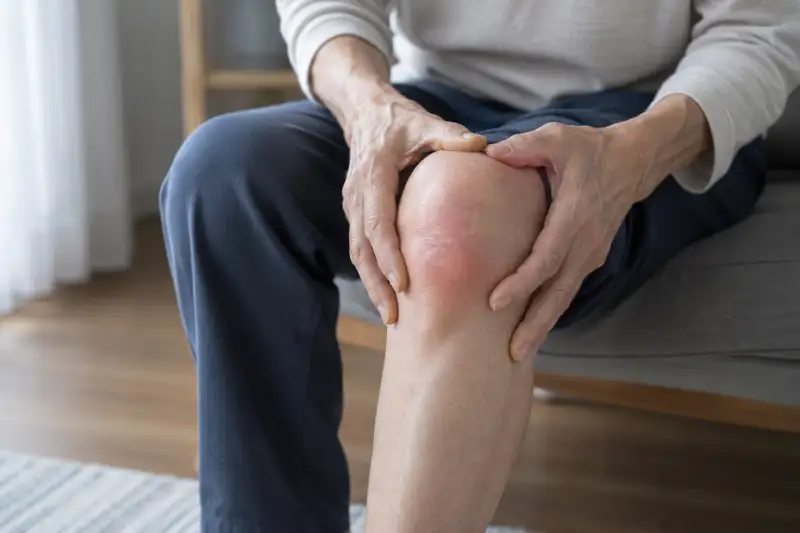
What is Pseudogout?
Pseudogout is a form of arthritis characterised by accumulating calcium pyrophosphate dihydrate (CPP) crystals in the cartilage and joints. These crystals can cause sudden and severe joint pain, swelling, and inflammation. While pseudogout can affect any joint, it most commonly involves the knees, wrists, shoulders, ankles, and hips. The condition is called “pseudogout” because its symptoms can mimic those of gout, but the underlying cause and treatment differ.

Symptoms of Pseudogout
The symptoms of pseudogout can vary from person to person and may be similar to other types of arthritis.
Common symptoms

Acute Pain
Sudden, intense pain in one or more joints, often starting without warning.
Stiffness
Reduced range of motion and stiffness in the affected joint, particularly after periods of inactivity.
Chronic Pain
Persistent or recurrent joint pain, which can be mild to severe.
Inflammation Signs
The joint may appear red and feel warm due to inflammation.
Joint Swelling
The affected joint becomes swollen and tender to the touch.
Limited Mobility
Difficulty moving the affected joint, which can impact daily activities.

Causes and Risk Factors
The exact cause of pseudogout is not fully understood, but several factors can increase the risk of developing the condition:
Increased Risk with Age
Pseudogout is more common in older adults, particularly those over 60 years old.
Previous Injuries
A history of joint injuries or surgeries can increase the likelihood of calcium pyrophosphate crystal deposition.
Family History
Having a family history of pseudogout or related conditions can increase the risk.
Associated Conditions
Certain medical conditions, such as hyperparathyroidism, hemochromatosis, hypomagnesemia, and hypothyroidism, are linked to a higher risk of pseudogout.
Fluid Imbalances
Dehydration or imbalances in electrolytes like calcium and magnesium can contribute to crystal formation.

Diagnosis for Pseudogout
Diagnosing pseudogout involves a combination of medical history, physical examination, and diagnostic tests:
The diagnosis process may involve:
Medical History
Symptom Inquiry – Your doctor will ask about your symptoms, their onset, duration, and any potential triggers, as well as your medical history and any underlying conditions.
Physical Examination
Joint Assessment – Examining the affected joints for signs of inflammation, tenderness, and reduced range of motion.
Laboratory Tests
- Blood Tests – To check for underlying metabolic or medical conditions that may contribute to pseudogout.
- Synovial Fluid Analysis – Extracting fluid from the affected joint to identify CPP crystals under a microscope, which confirms the diagnosis.
Imaging Tests
- X-Rays – To detect joint damage, calcifications, and chondrocalcinosis (calcium deposits in the cartilage).
- Ultrasound – To visualize crystal deposits and joint inflammation.
- CT or MRI – In some cases, advanced imaging may be used to provide detailed images of the joints and surrounding tissues.

Pseudogout Treatment Options
The goal of treating pseudogout is to reduce pain, inflammation, and prevent further joint damage. Treatment options include:

Medications
- Nonsteroidal Anti-Inflammatory Drugs (NSAIDs) – To reduce pain and inflammation during acute attacks.
- Colchicine – To reduce inflammation and prevent recurrent pseudogout attacks.
- Corticosteroids – Oral or injectable steroids to provide rapid relief of severe inflammation and pain.

Joint Aspiration
- Fluid Removal – Removing excess fluid from the affected joint to reduce pressure and pain, followed by the injection of corticosteroids to decrease inflammation.

Lifestyle Modifications
- Diet and Nutrition – Maintaining a balanced diet and staying well-hydrated to help manage overall health and potentially reduce the frequency of attacks.
- Weight Management – Achieving and maintaining a healthy weight to reduce stress on the joints.

Physical Therapy
- Exercise – Engaging in low-impact exercises to maintain joint flexibility and strength, and to support overall joint health.
- Joint Protection – Learning techniques to protect the joints during daily activities to prevent further injury.

Managing and Preventing Pseudogout
Managing and preventing pseudogout involves a combination of medical treatment, lifestyle changes, and self-care strategies. Here are some tips:
Take medications as prescribed by your doctor to control inflammation and prevent flare-ups.
Achieving and maintaining a healthy weight reduces joint stress and the risk of pseudogout attacks.
Engage in regular, low-impact exercises such as swimming, walking, or yoga to maintain joint function and overall health.
Keeping underlying medical conditions, such as hyperparathyroidism and hypothyroidism, under control to reduce the risk of pseudogout.
Eating a balanced diet rich in fruits, vegetables, and whole grains supports overall health and potentially reduces inflammation.
Staying well-hydrated and maintaining balanced electrolyte levels to help prevent crystal formation.
Drinking plenty of water helps flush out excess minerals that contribute to crystal formation.
Regular visits to your healthcare provider to monitor the progression of the disease, adjust treatment as needed, and manage any underlying conditions.
Pseudogout, or calcium pyrophosphate deposition disease (CPPD), is a form of arthritis that can cause significant pain and discomfort. However, with the right knowledge, treatment, and management strategies, individuals can effectively manage their symptoms, reduce inflammation, and maintain an active and fulfilling life. If you suspect you have pseudogout, it’s important to seek medical advice early to manage symptoms and prevent joint damage. By staying informed, adhering to treatment plans, and making healthy lifestyle choices, you can take control of your condition and live well with pseudogout.
Seek Pseudogout Care with Dr Anindita Santosa
Pseudogout often resembles gout and other arthritic conditions, making the source of a flare difficult to identify from symptoms alone. Confirming calcium pyrophosphate deposition through appropriate assessment helps distinguish it from other causes of joint inflammation and may reveal an associated medical condition requiring attention. The right combination of treatment, monitoring and joint care can ease discomfort and support day-to-day mobility.
At Aaria Rheumatology, management considers the joints affected, pattern of recurrence and your overall health. Rheumatologist Dr Anindita Santosa evaluates your clinical features and test results to develop a plan for controlling attacks and maintaining joint function.
If unexplained joint pain, warmth or swelling develops suddenly or keeps returning, contact us today to book an appointment.
