
Sarcoidosis
Treatment in
Singapore
Sarcoidosis is an inflammatory disease characterised by forming granulomas—small clumps of immune cells—in various body organs.

What is Sarcoidosis?
Sarcoidosis is a condition that can affect multiple organs but most commonly involves the lungs and lymph nodes. Granulomas can form in any part of the body and can affect how the organs function. The exact cause of sarcoidosis is unknown, but it is believed to involve an abnormal immune response.
Types of Sarcoidosis
- Pulmonary Sarcoidosis – Affects the lungs and is the most common form.
- Cardiac Sarcoidosis – Involves the heart and can cause arrhythmias and heart failure.
- Ocular Sarcoidosis – Affects the eyes, leading to vision problems.
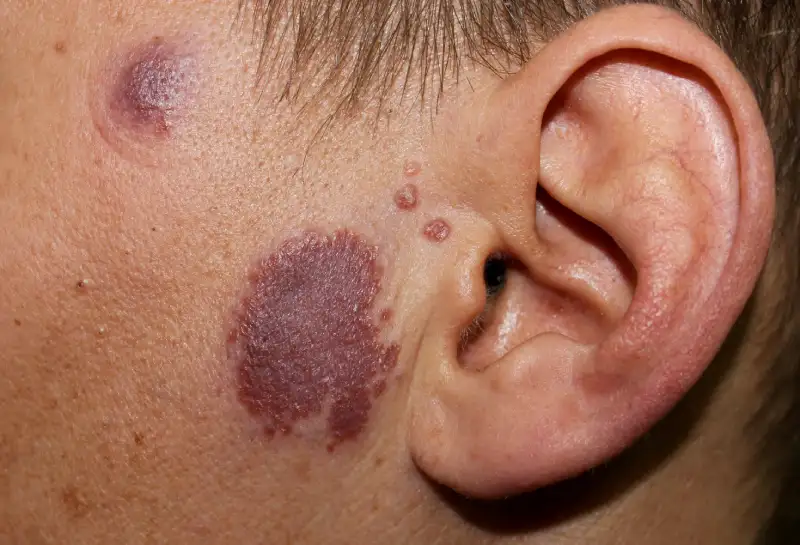
- Cutaneous Sarcoidosis – Involves the skin, causing rashes, nodules, and discolouration.
- Neurosarcoidosis – Affects the nervous system, including the brain and nerves.

Symptoms of Sarcoidosis
The symptoms of sarcoidosis can vary widely depending on which organs are affected. Some people may experience mild symptoms, while others may have more severe manifestations.
Common symptoms include:

General Symptoms
- Fever – Persistent or recurrent high temperature.
- Fatigue – Severe tiredness and lack of energy.
- Weight Loss – Unintended loss of weight.
- Swollen Lymph Nodes – Particularly in the neck, armpits, and groin.
Organ-Specific Symptoms
- Lungs – Persistent dry cough, shortness of breath, and chest pain.
- Skin – Rashes, nodules, or discoloured patches, often on the face, shins, or arms.
- Eyes – Blurred vision, eye pain, severe redness, and sensitivity to light.
- Heart – Palpitations, chest pain, fainting, and heart failure symptoms.
- Nervous System – Headaches, seizures, weakness, and numbness.

Causes and Risk Factors
The exact cause of sarcoidosis is unknown, but it is thought to be related to a combination of genetic and environmental factors.
Family History
Having a family member with sarcoidosis increases the risk.
Autoimmunity
The immune system may mistakenly attack the body’s own tissues, leading to granuloma formation.
Infections
Certain bacterial or viral infections may trigger an abnormal immune response.
Occupational Exposures
Exposure to dust, chemicals, or other environmental factors may increase risk.
Age and Gender
Sarcoidosis commonly affects individuals between 20 and 40 years of age and is slightly more common in women.
Race
African Americans and people of Scandinavian descent are more commonly affected.

Diagnosis for Sarcoidosis
Diagnosing sarcoidosis involves a comprehensive evaluation by a healthcare professional, including:
Symptom Inquiry
Detailed questions about symptoms, their onset, duration, and severity.
Past Medical History
Inquiry into any history of infections, autoimmune diseases, or other relevant conditions.
Lymph Node Exam
Checking for enlarged lymph nodes.
Organ Assessment
Examining affected organs for signs of inflammation and damage.
Blood Tests
To check for markers of inflammation (e.g., ESR, CRP) and elevated levels of calcium and ACE (angiotensin-converting enzyme).
Urine Tests
To assess kidney function and check for abnormalities.
Chest X-ray or CT Scan
To assess lung involvement and detect granulomas or lymph node enlargement.
MRI
To assess the involvement of other organs or areas.
PET Scan
To detect active inflammation in the body.
Tissue Sample
A sample of affected tissue or lymph nodes may be taken to confirm the diagnosis and rule out other conditions.

Sarcoidosis Treatment Options
The treatment of sarcoidosis aims to reduce inflammation, prevent organ damage, and manage symptoms. Treatment options include:

Medications
- Corticosteroids – To reduce inflammation and suppress the immune system.
- Immunosuppressants– Drugs such as methotrexate, azathioprine, or mycophenolate to control the immune response.
- Biologic Agents – Targeted therapies such as infliximab to reduce inflammation.

Lifestyle Modifications
- Healthy Diet – Eating a balanced diet to support overall health and manage symptoms.
- Regular Exercise – Engaging in low-impact physical activities to maintain general fitness.

Supportive Care
- Pain Management – Analgesics to manage pain and discomfort.
- Antihypertensives – Medications to control high blood pressure, particularly if the kidneys are involved.

Regular Medical Follow-Up
- Monitor Progress – Regular visits to your healthcare provider to monitor disease activity, adjust treatment as needed, and address any new symptoms or concerns.
Managing and Living with Sarcoidosis
Living with sarcoidosis involves a combination of medical treatment, lifestyle changes, and self-care strategies. Here are some tips:
Take medications as your healthcare provider prescribes to control inflammation and prevent disease progression.
To maintain physical fitness and improve symptoms, engage in regular, low-impact exercises such as walking, swimming, or yoga.
Eating a balanced diet rich in fruits, vegetables, whole grains, and lean proteins to support overall health.
Practice stress-reduction techniques such as meditation, deep breathing exercises, and mindfulness to help manage symptoms.
Stay current with vaccinations and practice good hygiene to reduce the risk of infections, which can trigger flare-ups.
Regularly visit your healthcare provider to monitor disease activity, adjust treatment as needed, and address any new symptoms or concerns.
Sarcoidosis is a complex and serious condition that requires comprehensive management. While there is currently no cure, with early diagnosis and appropriate treatment, many individuals can manage their symptoms and maintain a good quality of life. If you suspect you have sarcoidosis or are experiencing symptoms suggestive of the condition, it’s essential to seek medical evaluation and treatment promptly. By working closely with your healthcare team, adhering to treatment plans, and making healthy lifestyle choices, you can effectively manage sarcoidosis and improve your quality of life.
Find the Right Sarcoidosis Care with Dr Anindita Santosa
Some people with sarcoidosis may only require careful observation, while others need treatment to control inflammation and protect organ function. The appropriate approach depends on the organs involved, the severity of symptoms and how the condition changes over time. A thorough assessment provides the foundation for both immediate care and long-term monitoring.
Aaria Rheumatology provides structured evaluation and follow-up tailored to each patient’s presentation. Rheumatologist Dr Anindita Santosa considers your symptom pattern alongside blood tests, imaging and biopsy findings, coordinating with other specialists when organ-specific care is required.
If you have an ongoing cough, breathlessness, unexplained skin changes, swollen lymph nodes or persistent fatigue, contact us today to book an appointment.
