
Post-Infective Arthritis Treatment in Singapore
Post-infective arthritis, also known as post-infectious arthritis, is a type of inflammatory arthritis that occurs after an infection. Unlike reactive arthritis, which is triggered by an active infection elsewhere in the body, post-infective arthritis develops after the infection has been resolved.

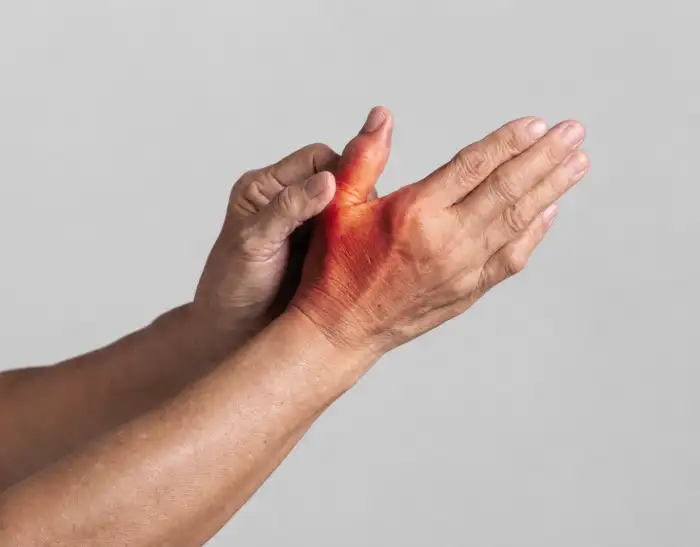
What is Post-Infective Arthritis
Post-infective arthritis is an inflammatory joint condition that follows an infection. It can affect both children and adults and typically involves one or more joints. The condition is thought to be an immune response triggered by the infection, causing inflammation in the joints even after the infection itself has been cleared.

Symptoms of Post-Infective Arthritis
The symptoms of post-infective arthritis can vary depending on the individual and the joints affected.
Common symptoms include:

Joint Pain and Swelling
- Acute Onset – Sudden pain and swelling in one or more joints, often appearing within days to weeks after an infection.
- Affected Joints – Commonly affected joints include the knees, ankles, and wrists, but any joint can be involved.
General Symptoms
- Fatigue – Persistent tiredness and lack of energy.
- Fever – Mild fever and general malaise may accompany joint symptoms.
Stiffness and Limited Mobility
- Morning Stiffness – Stiffness in the affected joints, especially after periods of inactivity or in the morning.
- Reduced Range of Motion – Difficulty moving the affected joints due to pain and swelling.

Causes and Risk Factors
The exact cause of post-infective arthritis is not fully understood, but several factors can increase the risk of developing this condition:
Bacterial Infections
Gastrointestinal infections caused by bacteria like Salmonella, Shigella, Yersinia, and Campylobacter, or respiratory infections caused by bacteria like Streptococcus or Mycoplasma, can trigger post-infective arthritis.
Viral Infections
Certain viral infections, such as parvovirus, hepatitis B and C, and rubella, can also lead to post-infective arthritis.
Autoimmunity
The body’s immune system may mistakenly attack its tissues in response to the infection, leading to joint inflammation.
Genetic Predisposition
A family history of autoimmune or inflammatory conditions can increase the risk of developing post-infective arthritis.

Diagnosis for Post-Infective Arthritis
Diagnosing post-infective arthritis involves a combination of medical history, physical examination, and diagnostic tests:
Symptom Inquiry
Your doctor will ask about your symptoms, their onset, duration, and any recent infections or illnesses, as well as your family history of arthritis or autoimmune conditions.
Joint Assessment
Examining the affected joints for signs of inflammation, tenderness, and reduced range of motion.
Blood Tests
To check for markers of inflammation (e.g., C-reactive protein, erythrocyte sedimentation rate) and to rule out other causes of arthritis.
Infection Screening
- Testing for past infections that may have triggered the condition.
- X-Rays – To detect joint damage or signs of inflammation.
X-Rays
To detect joint damage or signs of inflammation.
MRI or Ultrasound
To provide detailed images of the joints and soft tissues, helping to identify inflammation that may not be visible on X-rays.

Post-Infective Arthritis Treatment Options
The goal of treating post-infective arthritis is to reduce pain, inflammation, and prevent further joint damage. Treatment options include:

Medications
- Nonsteroidal Anti-Inflammatory Drugs (NSAIDs) – To reduce pain and inflammation.
- Corticosteroids – Oral or injectable steroids to provide rapid relief of severe inflammation and pain.
- Disease-Modifying Antirheumatic Drugs (DMARDs) – Such as methotrexate or sulfasalazine to control inflammation and prevent joint damage in persistent cases.
- Pain Relievers – Over-the-counter pain medications like acetaminophen to manage pain.

Physical Therapy
- Exercise – Engaging in regular, low-impact exercises to maintain joint flexibility and strength.
- Joint Protection – Learning techniques to protect the joints during daily activities to prevent further injury.

Lifestyle Modifications
- Healthy Diet – Maintaining a balanced diet to support overall health and reduce inflammation.
- Weight Management – Achieving and maintaining a healthy weight to reduce stress on the joints.
- Stress Reduction – Practicing stress-reduction techniques such as meditation, deep breathing exercises, and mindfulness to help manage symptoms.

Managing and Preventing Post-Infective Arthritis
Managing and preventing post-infective arthritis involves medical treatment, lifestyle changes, and self-care strategies. Here are some tips:
Take medications as prescribed by your doctor to control inflammation and prevent flare-ups.
Achieving and maintaining a healthy weight reduces joint stress and the risk of arthritis flare-ups.
Engage in regular, low-impact exercises such as swimming, walking, or yoga to maintain joint function and overall health.
Practising stress-reduction techniques such as meditation, deep breathing exercises, and mindfulness to help manage symptoms.
Eating a balanced diet rich in fruits, vegetables, and whole grains supports overall health and potentially reduces inflammation.
Regular visits to your healthcare provider to monitor the progression of the disease, adjust treatment as needed, and manage any complications.
Post-infective arthritis is a type of arthritis that can cause significant pain and discomfort after an infection has resolved. However, with the right knowledge, treatment, and management strategies, individuals can effectively manage their symptoms, reduce inflammation, and maintain an active and fulfilling life. If you suspect you have post-infective arthritis, it’s important to seek medical advice early to manage symptoms and prevent joint damage. By staying informed, adhering to treatment plans, and making healthy lifestyle choices, you can take control of your condition and live well with post-infective arthritis.
Seek Care for Post-Infective Arthritis with
Dr Anindita Santosa
Joint symptoms that begin after an infection has settled may reflect an immune response that continues to cause inflammation. Establishing the relationship between the earlier illness and new pain or swelling is important for ruling out other forms of arthritis and determining suitable care. Appropriate treatment can ease discomfort, restore movement and help prevent prolonged symptoms from disrupting daily life.
At Aaria Rheumatology, assessment considers your recent infection history, the joints involved and the duration of your symptoms. Rheumatologist Dr Anindita Santosa examines the affected joints and reviews relevant laboratory and imaging findings before recommending a personalised management plan.
If joint pain, swelling or stiffness develops after you have recovered from an infection, contact us today to book an appointment.
