
Adult Onset Still’s
Disease
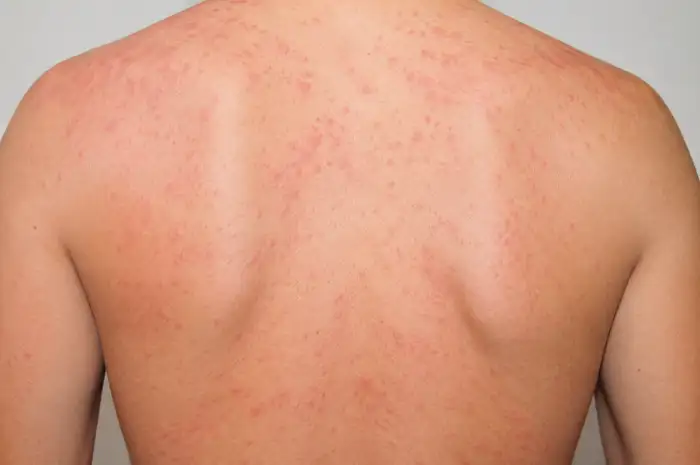
Adult Onset Still’s Disease (AOSD) is a rare inflammatory condition that typically affects adults aged 16 and older. It is characterised by high fevers, a distinctive salmon-coloured rash, and joint pain.

What is Adult Onset
Still’s Disease?
Adult Onset Still’s Disease is an autoinflammatory disorder, meaning it is primarily caused by inappropriate activation of the body’s immune system without the presence of an infection. It shares similarities with systemic juvenile idiopathic arthritis (SJIA), but it occurs in adults.
Key Characteristics
- High Spiking Fevers – Fevers typically rise in the late afternoon or evening and can exceed 102°F (39°C).
- Salmon-Pink Rash – A non-itchy rash that usually appears on the trunk and limbs, often during fever spikes.
- Joint Pain and Swelling – Polyarthritis (involving multiple joints) can lead to chronic joint damage if untreated.

Symptoms of Adult Onset Still’s Disease
The symptoms of AOSD can vary widely among individuals and may resemble those of other conditions, making diagnosis challenging.
Common symptoms include:

General Symptoms
- High Fevers – Recurring high fevers that often spike in the late afternoon or evening.
- Fatigue – Severe tiredness and lack of energy.
- Weight Loss – Unintended loss of weight.
- Swollen Lymph Nodes – Particularly in the neck, armpits, and groin.
Specific Symptoms
- Rash – A distinctive, salmon-coloured, non-itchy rash that typically appears during fever spikes and may come and go.
- Sore Throat – Often the first symptom, occurring before the fever and rash.
- Muscle Pain – Myalgia that is often worse during fever episodes.
- Joint Pain and Swelling – Polyarthritis, primarily affecting the wrists, knees, and ankles. Joint symptoms can become chronic and lead to joint damage.

Causes and Risk Factors
The exact cause of Adult Onset Still’s Disease is unknown, but it is thought to result from a combination of genetic and environmental factors.
Genetic Predisposition
Certain genetic markers may increase the risk of developing AOSD.
Autoimmunity
The immune system may mistakenly attack the body’s own tissues, leading to inflammation.
Infections
Certain viral or bacterial infections may trigger an abnormal immune response.
Age and Gender
AOSD can affect individuals of any age but typically occurs in young adults, with a slight predominance in females.

Diagnosis for AOSD
Diagnosing AOSD involves a comprehensive evaluation by a healthcare professional, including:
Symptom Inquiry
Detailed questions about symptoms, their onset, duration, and severity.
Past Medical History
Inquiry into any history of infections, autoimmune diseases, or other relevant conditions.
Lymph Node Exam
Checking for enlarged lymph nodes.
Skin Exam
Looking for the characteristic salmon-coloured rash.
Joint Assessment
Examining joints for pain, swelling, and range of motion.
Blood Tests
To check for markers of inflammation (e.g., ESR, CRP), elevated ferritin levels, and liver function tests.
Autoantibody Tests
To rule out other autoimmune diseases such as rheumatoid arthritis or lupus.
X-Rays
To assess joint damage and rule out other causes of arthritis.
CT or MRI Scans
To evaluate internal organs and detect any abnormalities.
Biopsy
In some cases, a biopsy of the rash or lymph nodes may be performed to rule out other conditions.

Adult Onset Still’s Disease Treatment Options
The treatment of Adult Onset Still’s Disease aims to reduce inflammation, relieve symptoms, and prevent complications. Treatment options include:

Medications
- Nonsteroidal Anti-Inflammatory Drugs (NSAIDs) – To reduce pain and inflammation.
- Corticosteroids – Such as prednisone to control inflammation and suppress the immune system.
- Disease-Modifying Antirheumatic Drugs (DMARDs) – Such as methotrexate or sulfasalazine to control the immune response.
- Biologic Agents – Targeted therapies such as anakinra (an IL-1 inhibitor) or tocilizumab (an IL-6 inhibitor) to reduce inflammation.

Supportive Care
- Pain Management – Analgesics to manage pain and discomfort.
- Physical Therapy – To maintain joint function and mobility.

Lifestyle Modifications
- Healthy Diet – Eating a balanced diet supports overall health and manages symptoms.
- Regular Exercise – Engaging in low-impact physical activities to maintain general fitness and improve joint mobility.

Monitoring and Follow-Up
- Monitor Progress – Regular visits to your healthcare provider to monitor disease activity, adjust treatment as needed, and address any new symptoms or concerns.

Managing and Living with Adult Onset Still’s Disease
Living with AOSD involves a combination of medical treatment, lifestyle changes, and self-care strategies. Here are some tips:
Take medications as your healthcare provider prescribes to control inflammation and prevent disease progression.
To maintain physical fitness and improve symptoms, engage in regular, low-impact exercises such as walking, swimming, or yoga.
Eating a balanced diet rich in fruits, vegetables, whole grains, and lean proteins to support overall health.
Practice stress-reduction techniques such as meditation, deep breathing exercises, and mindfulness to help manage symptoms.
Stay current with vaccinations and practice good hygiene to reduce the risk of infections, which can trigger flare-ups.
Regularly visit your healthcare provider to monitor disease activity, adjust treatment as needed, and address any new symptoms or concerns.
Adult Onset Still’s Disease is a complex and serious condition that requires comprehensive management. While there is currently no cure, with early diagnosis and appropriate treatment, many individuals can manage their symptoms and maintain a good quality of life. If you suspect you have AOSD or are experiencing symptoms suggestive of the condition, it’s essential to seek medical evaluation and treatment promptly. By working closely with your healthcare team, adhering to treatment plans, and making healthy lifestyle choices, you can effectively manage AOSD and improve your quality of life.
Identify and Manage Adult-Onset Still’s Disease with
Dr Anindita Santosa
Recurring high fevers may initially suggest an infection, but adult-onset Still’s disease becomes a consideration when they follow a spiking pattern and occur with a salmon-coloured rash, sore throat or joint inflammation. With no single test to confirm AOSD, diagnosis depends on recognising the overall pattern, reviewing inflammatory markers and excluding other possible causes. Early control of inflammation can relieve systemic symptoms, protect the joints and reduce the risk of complications.
At Aaria Rheumatology, care is tailored to the pattern, severity and progression of each patient’s condition. Rheumatologist Dr Anindita Santosa evaluates your clinical history, examination findings and test results before recommending a personalised treatment and monitoring plan.
If you experience recurring unexplained fevers alongside a temporary rash, persistent sore throat or joint pain and swelling, contact us today to book an appointment.
