
Rheumatic Conditions We Diagnose and Manage
Rheumatic conditions are a diverse group of disorders that affect the joints, bones, muscles and connective tissues. While many cause pain, stiffness and reduced mobility, some are autoimmune or inflammatory diseases that can also affect organs such as the skin, lungs, kidneys and blood vessels.
At Aaria Rheumatology, we diagnose and manage a wide range of these conditions, from common forms of arthritis to complex connective tissue diseases and systemic autoimmune disorders.

Arthritis and Musculoskeletal Conditions

Arthritis
Arthritis is an umbrella term for a group of joint conditions with different underlying causes. Depending on the type, it may develop gradually over time or result from inflammation, infection or an abnormal immune response.

Osteoarthritis
Occurs when the protective cartilage that cushions the ends of the bones wears down over time, leading to pain and swelling.

Soft Tissue Rheumatism
Unlike arthritis, which affects the joints, soft tissue rheumatism involves the supporting structures around the joints.

Gout
A type of inflammatory arthritis characterized by sudden, severe attacks of pain, redness, and swelling in the joints.

Pseudogout
Pseudogout is a type of arthritis caused by the deposition of calcium pyrophosphate crystals in the joints.

Rheumatoid Arthritis
A chronic inflammatory disorder that primarily affects the joints but can also have systemic effects, impacting various organs and tissues.

Psoriatic Arthritis
Typically occurs in individuals with psoriasis, a chronic skin condition characterised by red, scaly patches of skin.
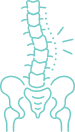
Spondyloarthritis
A group of inflammatory rheumatic diseases that primarily affect the spine and, in some cases, the peripheral joints.
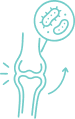
Reactive Arthritis
Also known as Reiter’s syndrome, it is a type of inflammatory arthritis that occurs as a reaction to an infection elsewhere in the body.

Post-Infective Arthritis
Unlike reactive arthritis, which is triggered by an active infection, post-infective arthritis develops after the infection has been resolved.
Osteoporosis
Osteoporosis is a condition characterised by weakened bones, making them fragile and more prone to fractures.
Connective Tissue Diseases

Lupus (SLE)
Commonly known as lupus, SLE is a chronic autoimmune disease that can affect multiple organ systems in the body.

Sjögren’s Syndrome
A chronic autoimmune disease characterised by the body’s immune system mistakenly attacking its own moisture-producing glands.

Scleroderma
A rare, chronic autoimmune disease characterised by hardening and tightening of the skin and connective tissues.

Myositis
Myositis is a group of rare autoimmune diseases characterised by inflammation and degeneration of muscle tissue.

Antiphospholipid Syndrome
Antiphospholipid syndrome (APS) is an autoimmune disorder characterised by antiphospholipid antibodies in the blood.

CTD Interstitial Lung Disease
A serious condition where the lung tissue becomes inflamed and scarred as a result of an underlying connective tissue disease.

CTD Pulmonary Hypertension
A serious and potentially life-threatening condition where high blood pressure develops in the lungs’ arteries as a result of an underlying connective tissue disease.
Systemic Vasculitis & Inflammatory Rheumatic Conditions

Systemic Vasculitis
A group of autoimmune conditions that cause inflammation of blood vessels, potentially affecting the skin, joints and internal organs.

Behçet’s Disease
A chronic inflammatory condition that causes recurrent mouth and genital ulcers, eye inflammation and, in some cases, blood vessel swelling throughout the body.

Sarcoidosis
An inflammatory condition in which clusters of immune cells, known as granulomas, develop in organs such as the lungs, lymph nodes, skin and eyes.

IgG4-related Disease
An immune-mediated condition that causes inflammation and enlargement of affected organs, often involving the pancreas, salivary glands, kidneys or other tissues.

Adult Onset Still’s Disease
A rare inflammatory condition characterised by recurring high fevers, joint pain and a distinctive salmon-coloured rash, which may also affect other organs.
